Bear
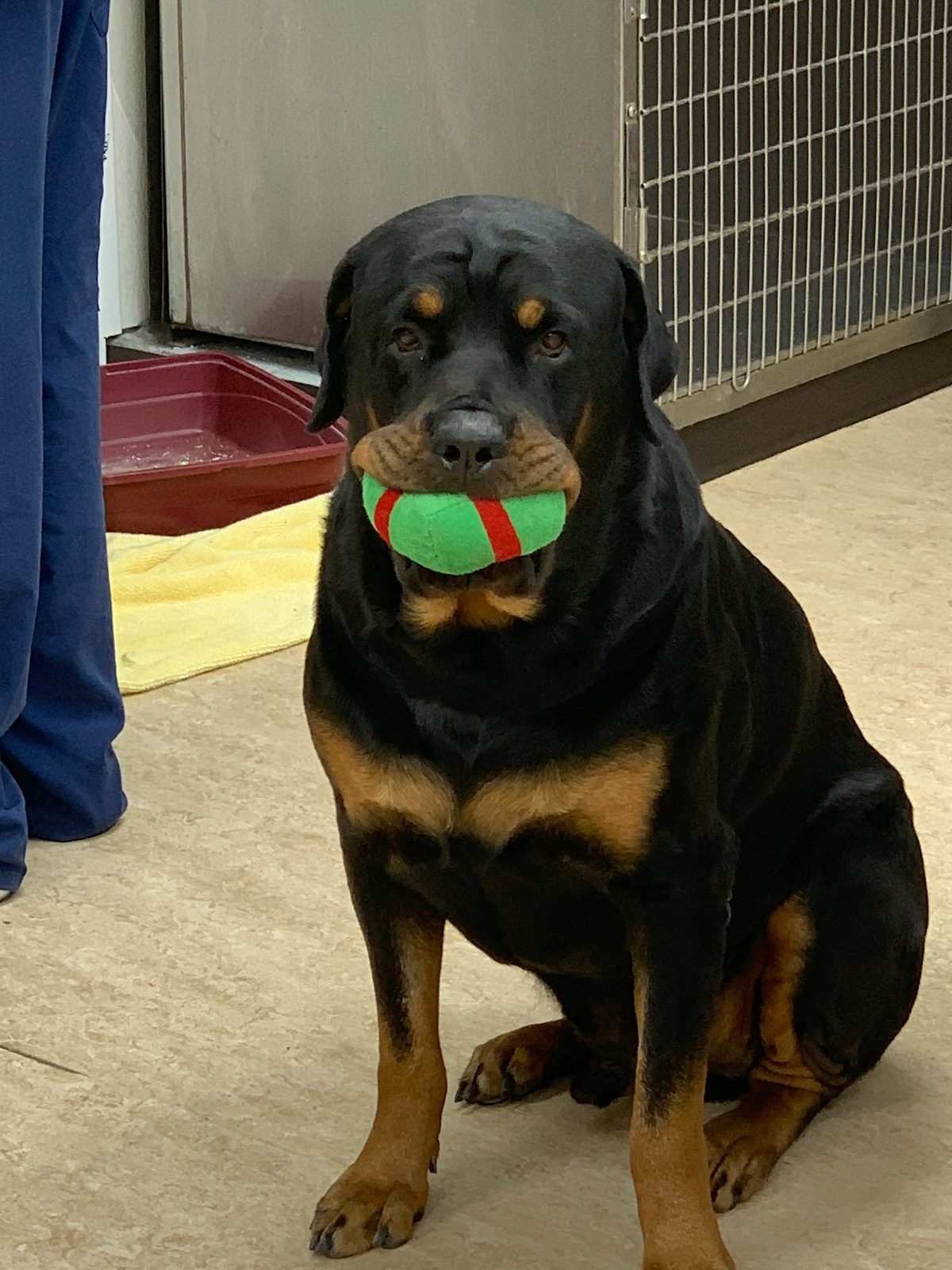
Bear was the emotional support animal for every patient who came through the clinic, and he was better at it than any of us. He knew before we did which people needed him. He would put his head on the knee of a stranger who was about to hear the worst news of their year, and he would simply stay there for as long as it took. Nobody trained him to do that.
When he got sick there was nothing to operate on and nothing to fix, so we did for him exactly what we had helped hundreds of families do. We kept him comfortable, we kept him home, and we let him go gently. Losing him made the gap impossible to ignore, because we knew perfectly well how many animals never get that version of the ending.
Bear's Buddies exists so that the ending Bear had is available to animals whose families cannot give it to them, and to animals who have no family left at all.
His actual job
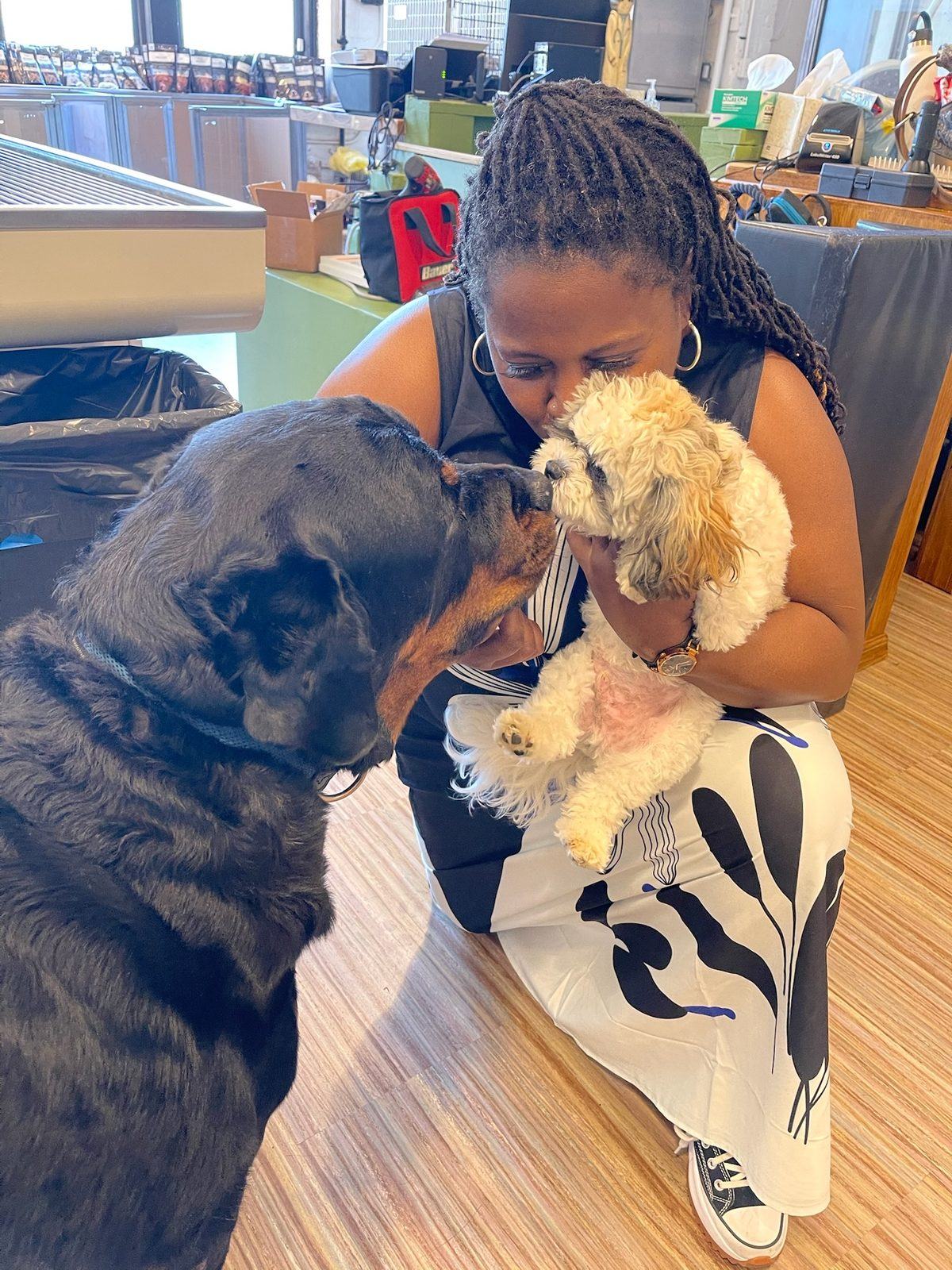
A reflection from our founder, Dr. Atkinson-Spinks
In nearly thirty years of practice I have watched a lot of animals be euthanized before they needed to be. Sometimes it was money, sometimes it was an owner who had died, sometimes it was an animal deemed unadoptable by a system with no other box to put them in. Every one of those decisions was made by people doing their best inside a set of options that were far too narrow.
I always said that one day I would build the other option. Then Bear died and I stopped saying one day.
What we are building here is a house on twenty two acres where the animals sleep in our beds, the medicine happens on site, and nobody is rushed toward the door. I get to practice the way I have always wanted to practice, using everything I know, eastern and western, for whatever time an animal has left. Some days that is joyful and some days it is very hard. I would not trade a single one of them.
Dr. Atkinson-Spinks, DVM, CVA
The people
Who is actually here every day
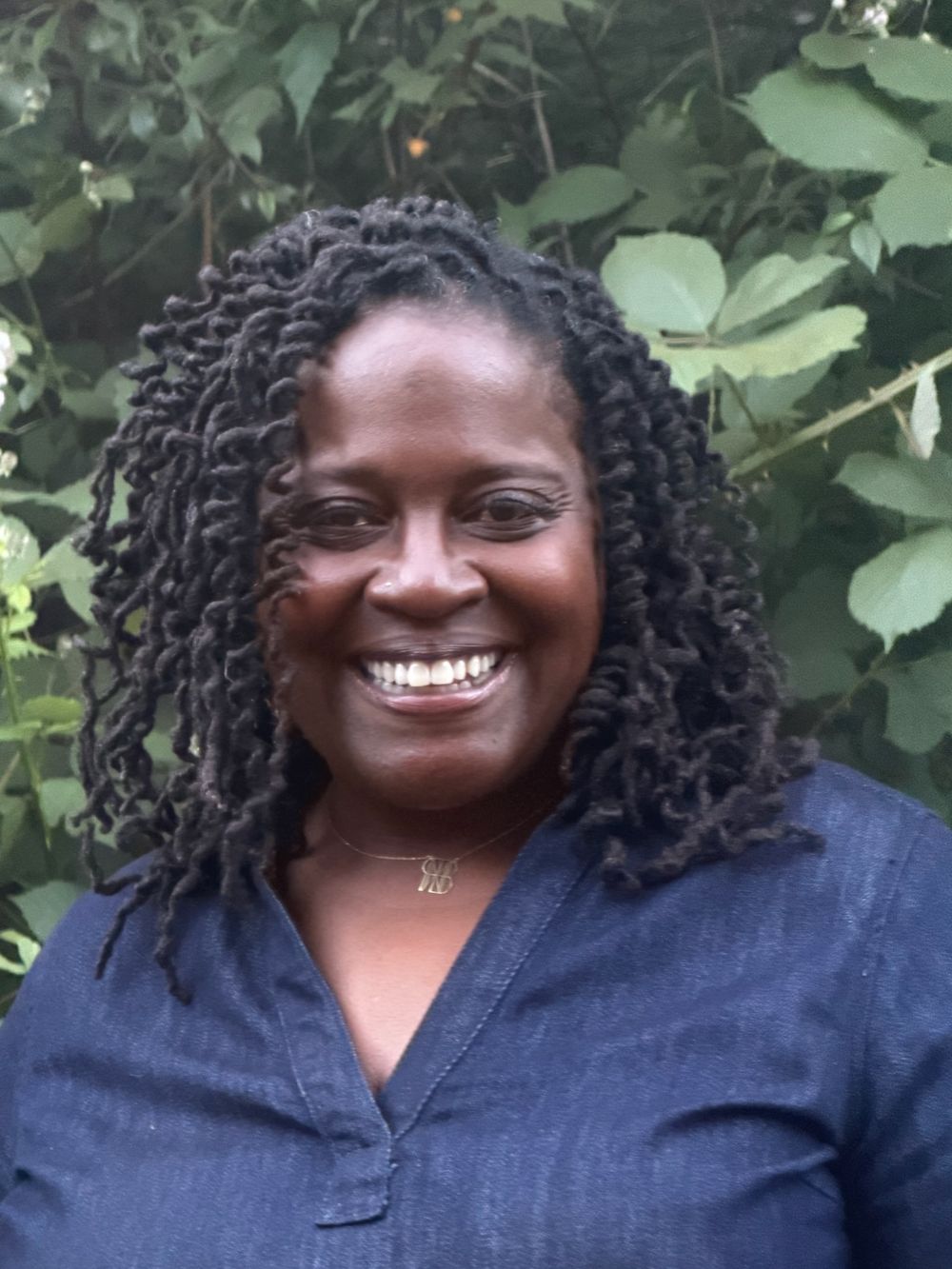
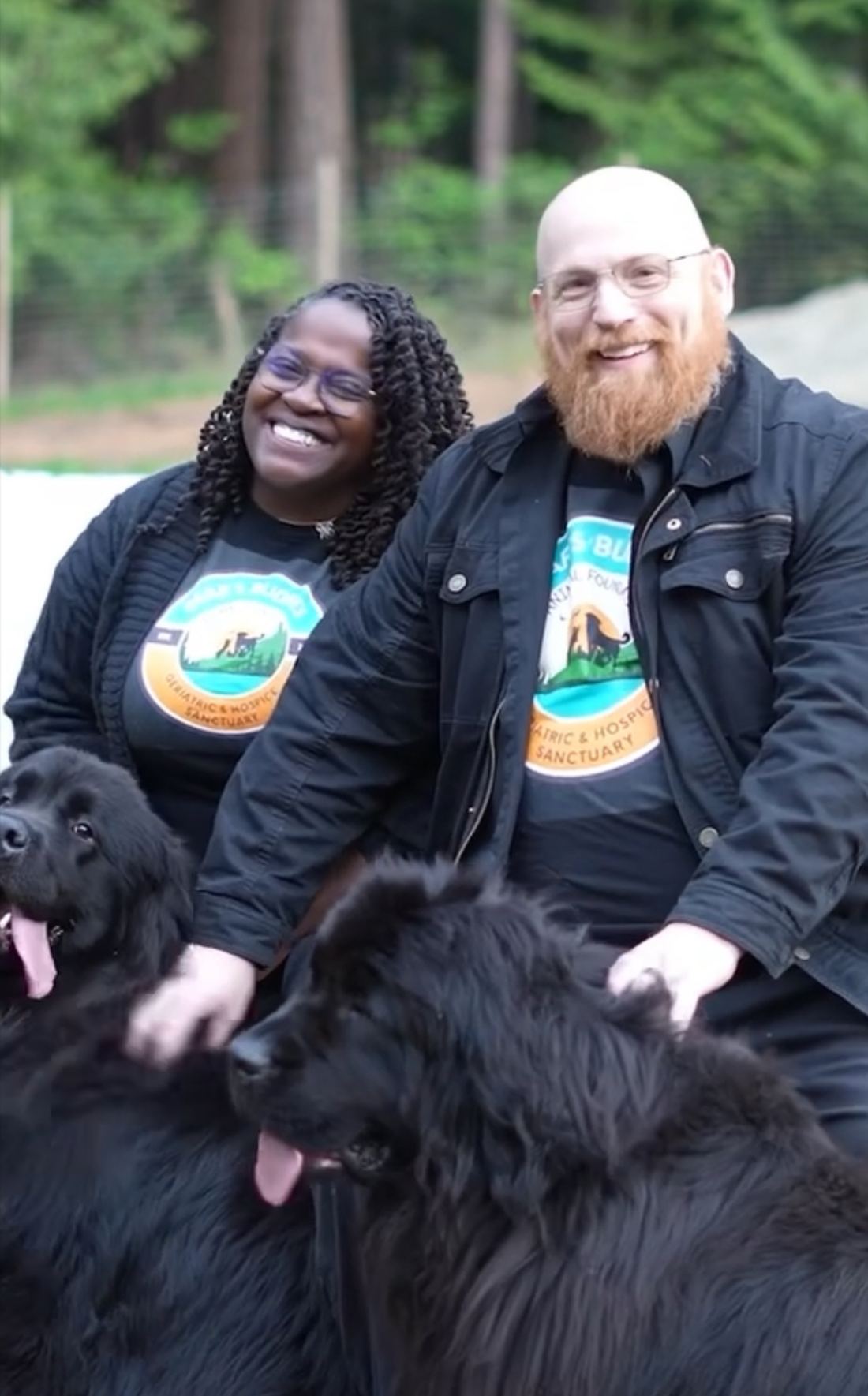
Dr. Kimberly Atkinson-Spinks, DVM, CVA
Nearly thirty years in practice across general practice, emergency and general surgery, medical director roles and clinical instruction at a veterinary school. She owned a multimillion dollar animal hospital in New York City and taught on faculty at the University of the West Indies School of Veterinary Medicine.
She has been certified in Traditional Chinese Veterinary Medicine through the Chi Institute for twenty six years, and she was one of the founders of the Pet Loss Hotline at Washington State University, which tells you where her heart has always been.
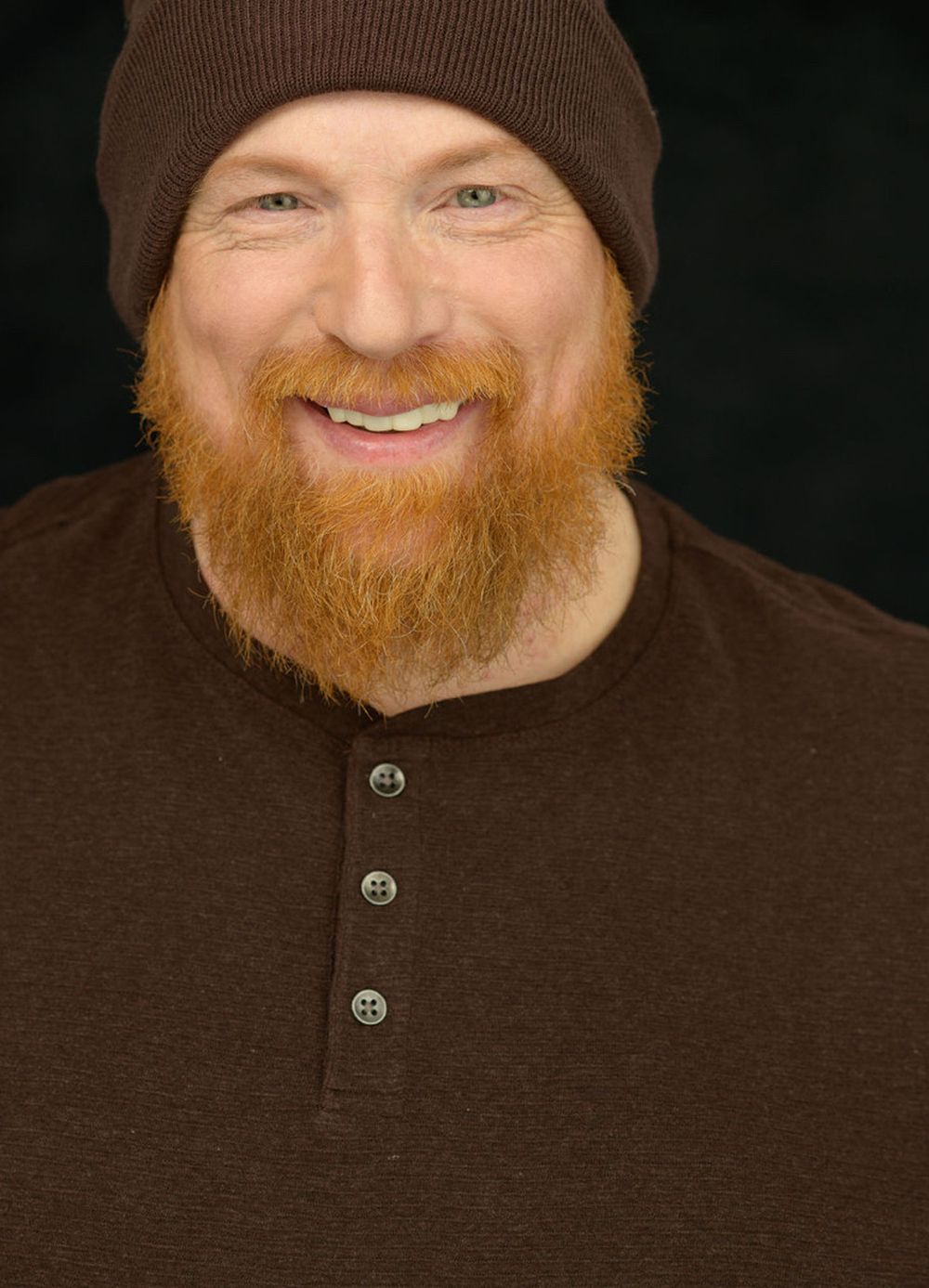
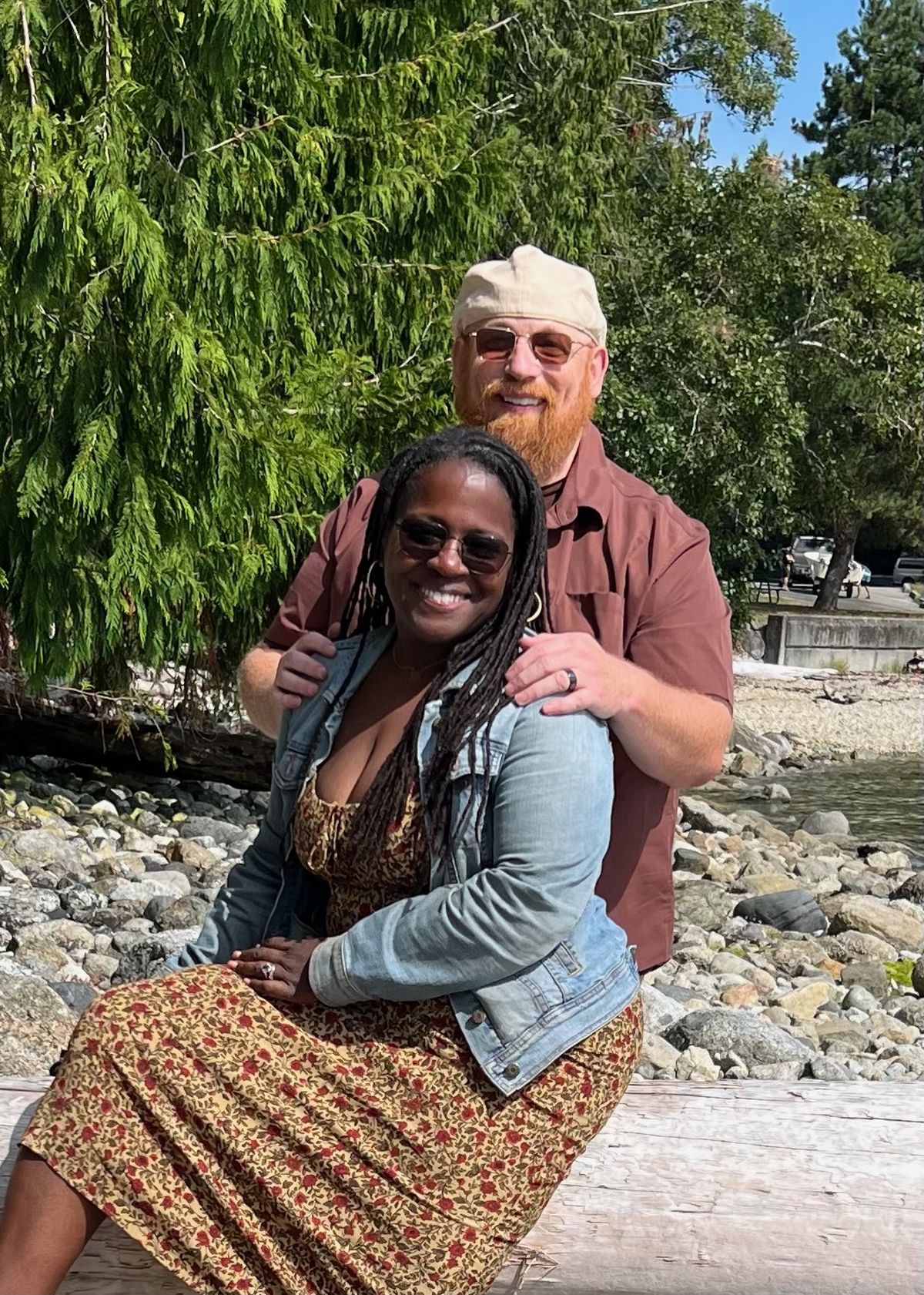
Keith Spinks
Keith handles the money and the security, which between them decide whether a sanctuary survives its first few years. Every financial decision runs through him, and he is the reason the lights stay on, the medication gets paid for and the build keeps moving.
He and Dr. Atkinson-Spinks have carried the lion's share of that themselves, out of their own pockets, since the beginning. Security is his professional field, so the gates, the systems and everything to do with keeping this property and the animals on it safe sit with him as well.
He came to this because he loves Kimberly. He stayed because he came to love the mission just as much.
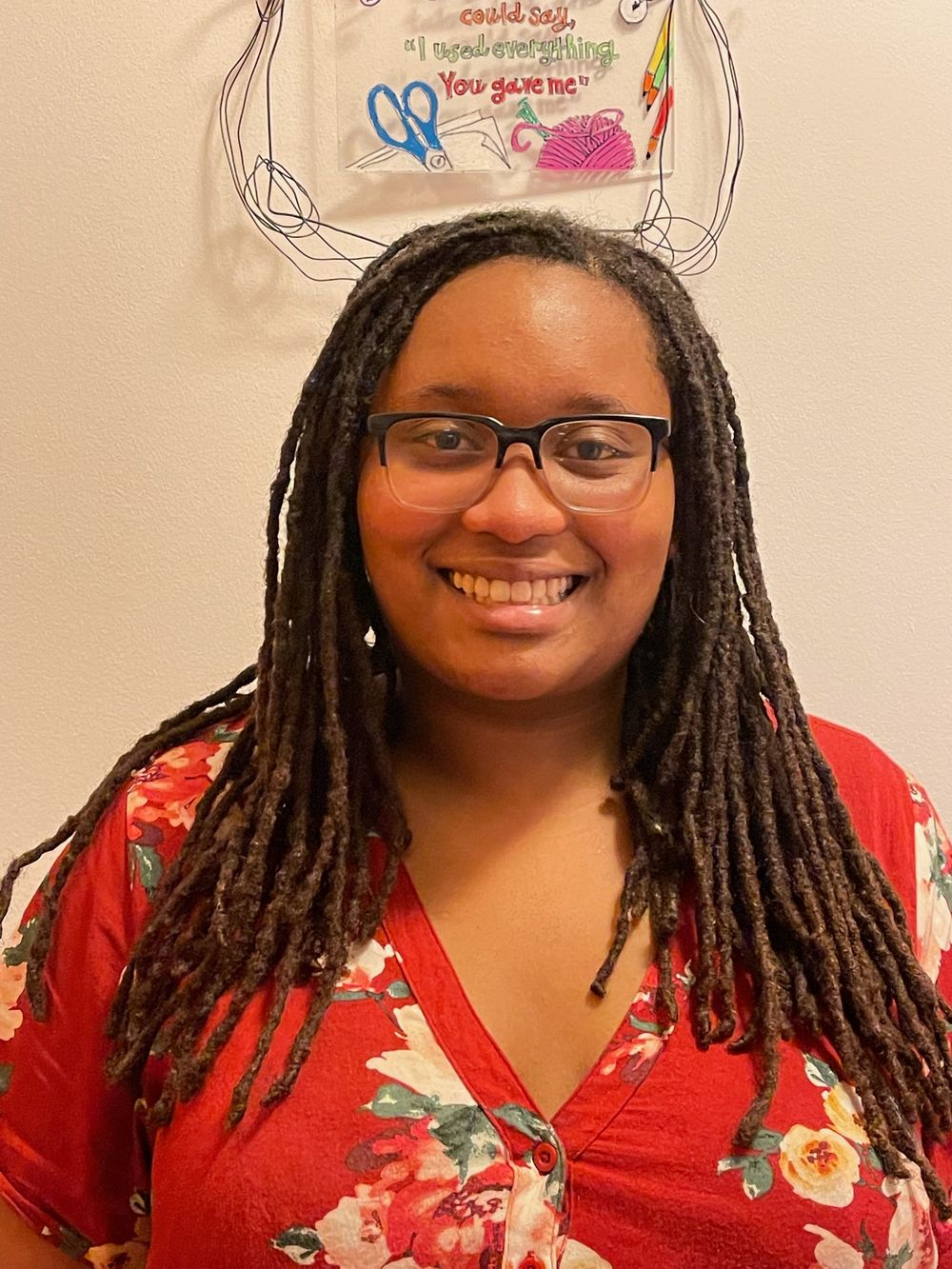
Maddison J'Nette Whitfield
Maddison is not on the property every day, but she does an enormous amount for this organization from wherever she is. Governance, planning, the paperwork and the thinking that has to happen behind a sanctuary before any of it reaches an animal.
She comes and gets hands on as often as she can manage, and those are good weeks. Everyone works harder and the dogs get more attention than they know what to do with.
The welcoming committee
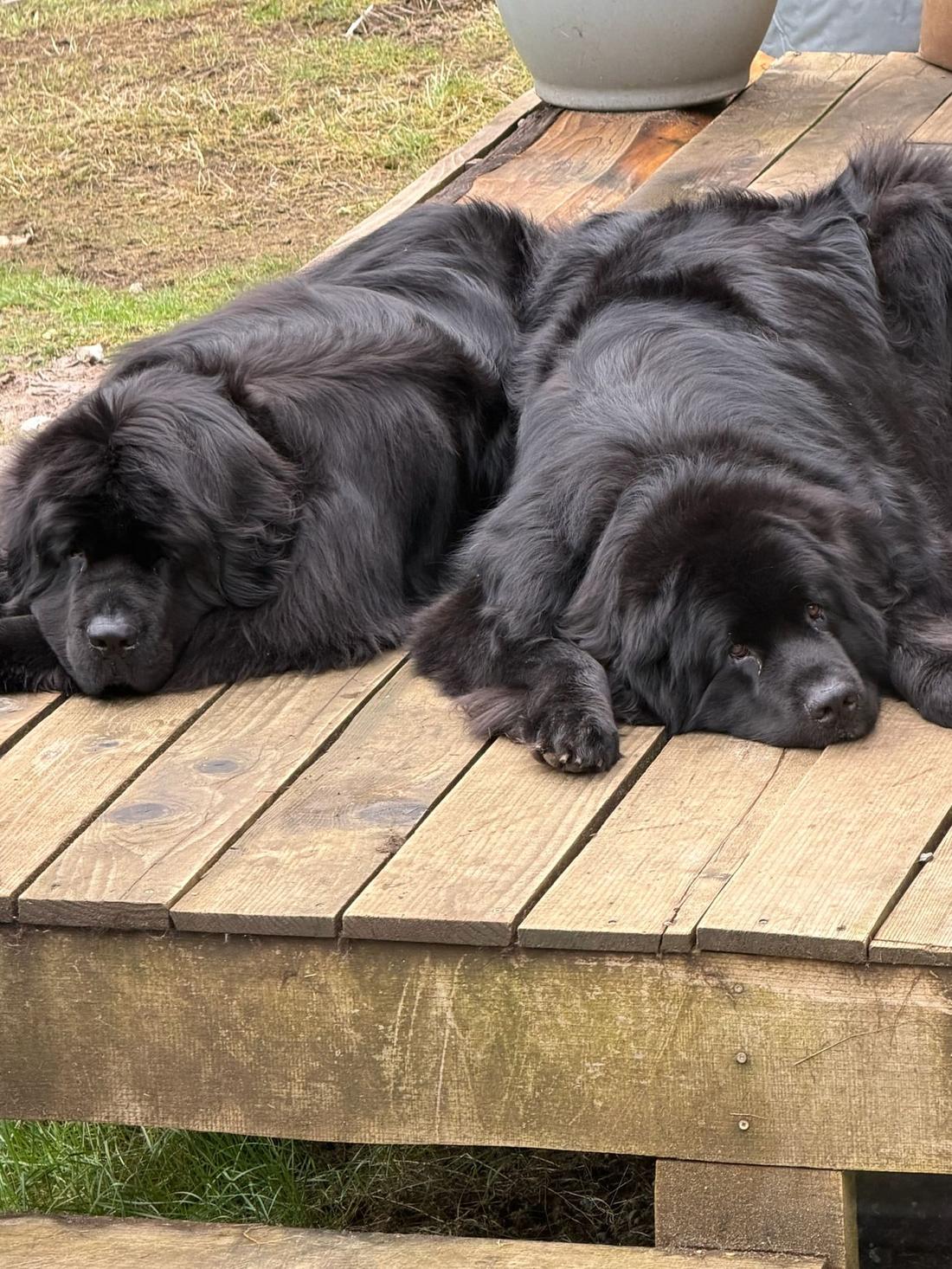
Laverne and Shirley
Our two Newfoundlands are not sanctuary residents. They are our own dogs, ours since they were nine weeks old, and they came with the family rather than through a phone call.
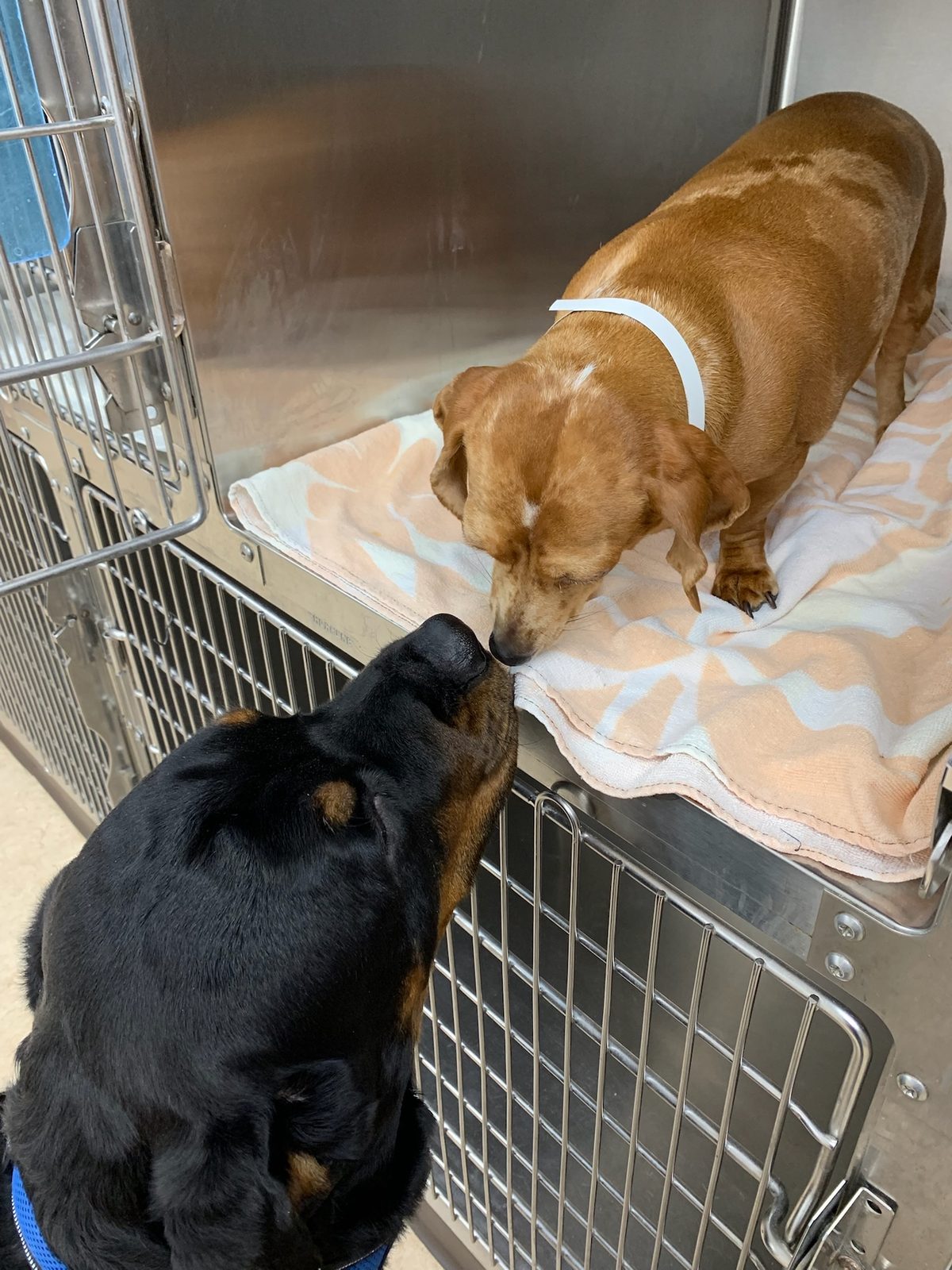
They have turned out to be one of the most useful things on this property. A new arrival who is frightened, sore and completely unsure about where they have landed will very often go straight to one of these two, and Laverne and Shirley simply let it happen. They lie down next to whoever needs them and they stay. An old dog who has not been part of a group in years works out very quickly that nothing here is going to hurt them.
Bear did this for people in a clinic. They do it for animals in a home.
May 2026
You saved this place, and we will never stop saying so.
We made our first ever public ask in the spring. We needed seventy thousand dollars by May 7th to secure the land title, after investing more than five hundred thousand dollars of our own money and securing another nine hundred thousand in funding.
We promised every dollar would be refunded if the title did not close. It closed. You surpassed the goal, the land is secured, and the animals living here now do so because a lot of strangers decided this was worth saving. Thank you does not really cover it, so we will keep showing you what you paid for instead.